Technology
A peptide-based radiopharmaceutical platform
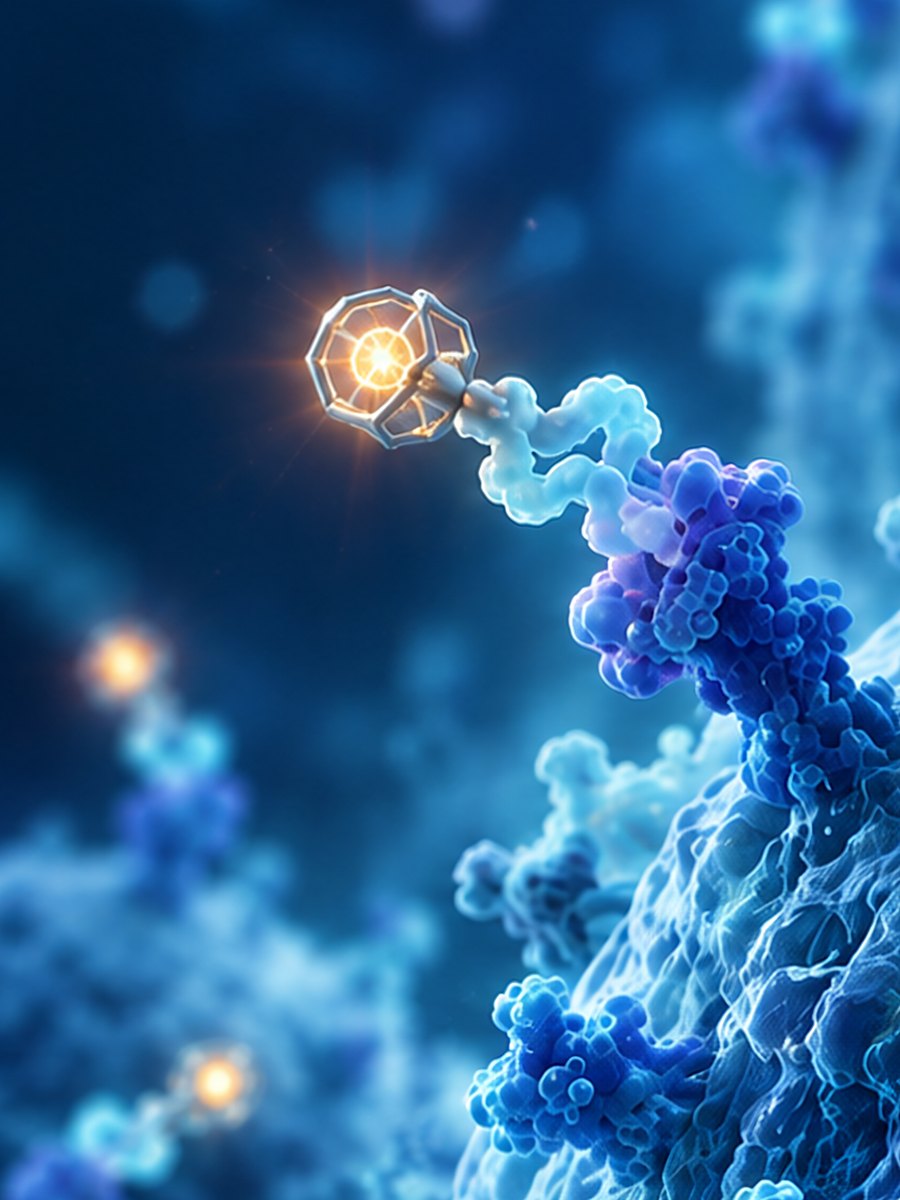
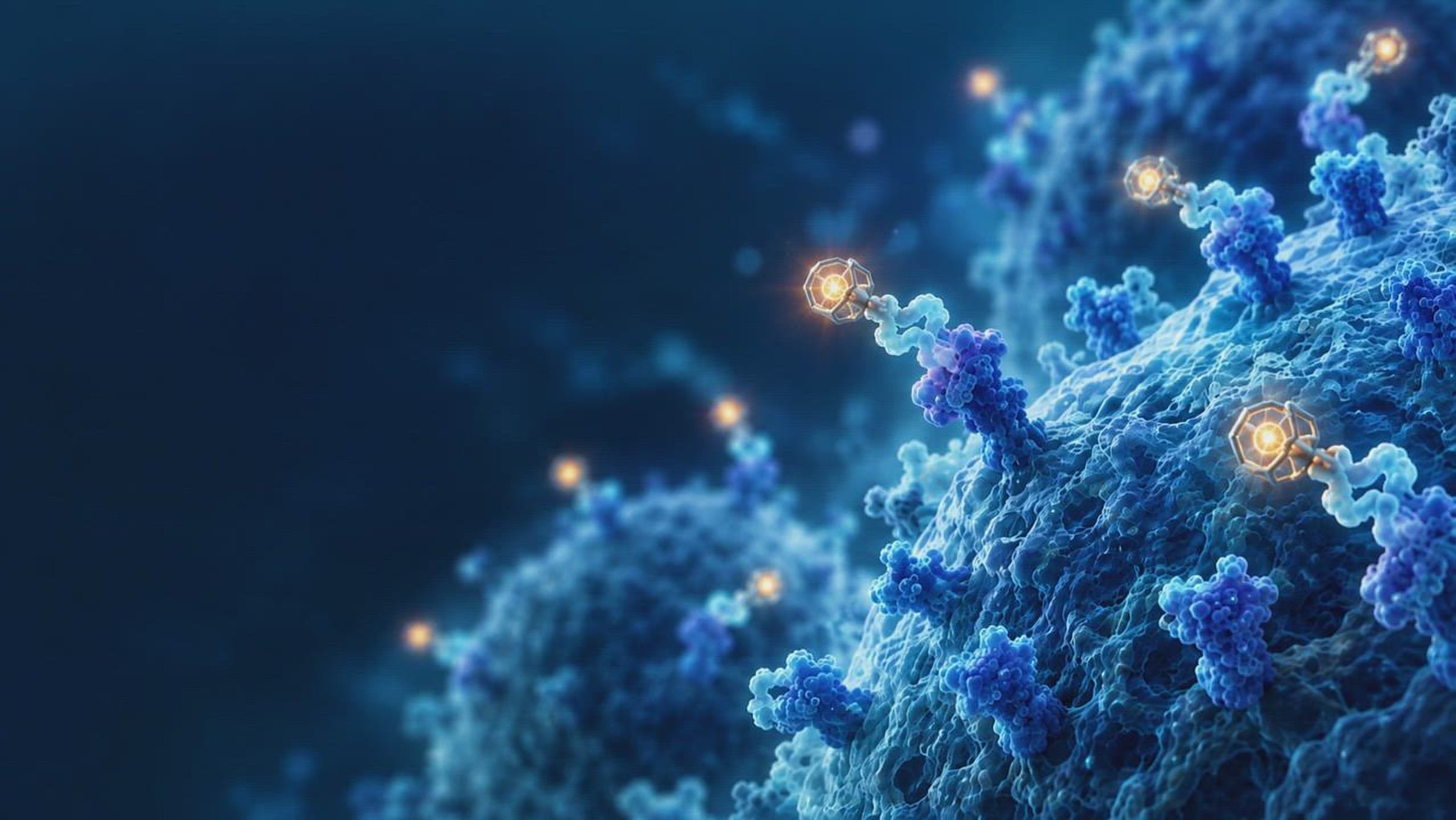
Curasight develops small uPAR-binding peptide ligands that through a chelator can bind a selected radionuclide.
The ligands sit beneath the uTRACE® and uTREAT® platform brands and can be used to create distinct imaging or therapeutic product candidates. Clinical development programs may use products from one platform to inform development of a product in the other platform.
Architecture
Targeting ligand
The targeting ligand provides biological specificity.
Chelator
The chelator holds the radiometal.
Radionuclide
The radionuclide determines the imaging or therapeutic properties of the resulting product candidate.
This modular architecture allows different ligands and radionuclides to be developed as separate products within the uTRACE® or uTREAT® platforms.
Current and next-generation architecture
uTRACE®
AE105-family uPAR imaging agents
The uTRACE® platform includes AE105-family uPAR imaging agents that have generated the human imaging and diagnostic evidence base from more than 500 patients.
uTREAT®
Glioblastoma clinical development program
The current glioblastoma clinical development program sits within uTREAT®. In that program, 64Cu-DOTA-AE105 is used for imaging and dosimetry to evaluate regional delivery, biodistribution and dosimetry. A separate 177Lu therapeutic product is being developed within uTREAT® for subsequent clinical testing.
uTREAT®
Next-generation uPAR ligand
Within the uTREAT® platform, the next-generation ligand program comprises potential for both alpha and beta-emitting products. The ligand architecture is designed to retain modular radionuclide capability so separate alpha- or beta-emitting product candidates can be developed where biology, dosimetry and the clinical setting support them. These would be distinct products built on the new ligand platform.