uPAR
uPAR: a target associated with cancer aggressiveness
Target the biology of invasion
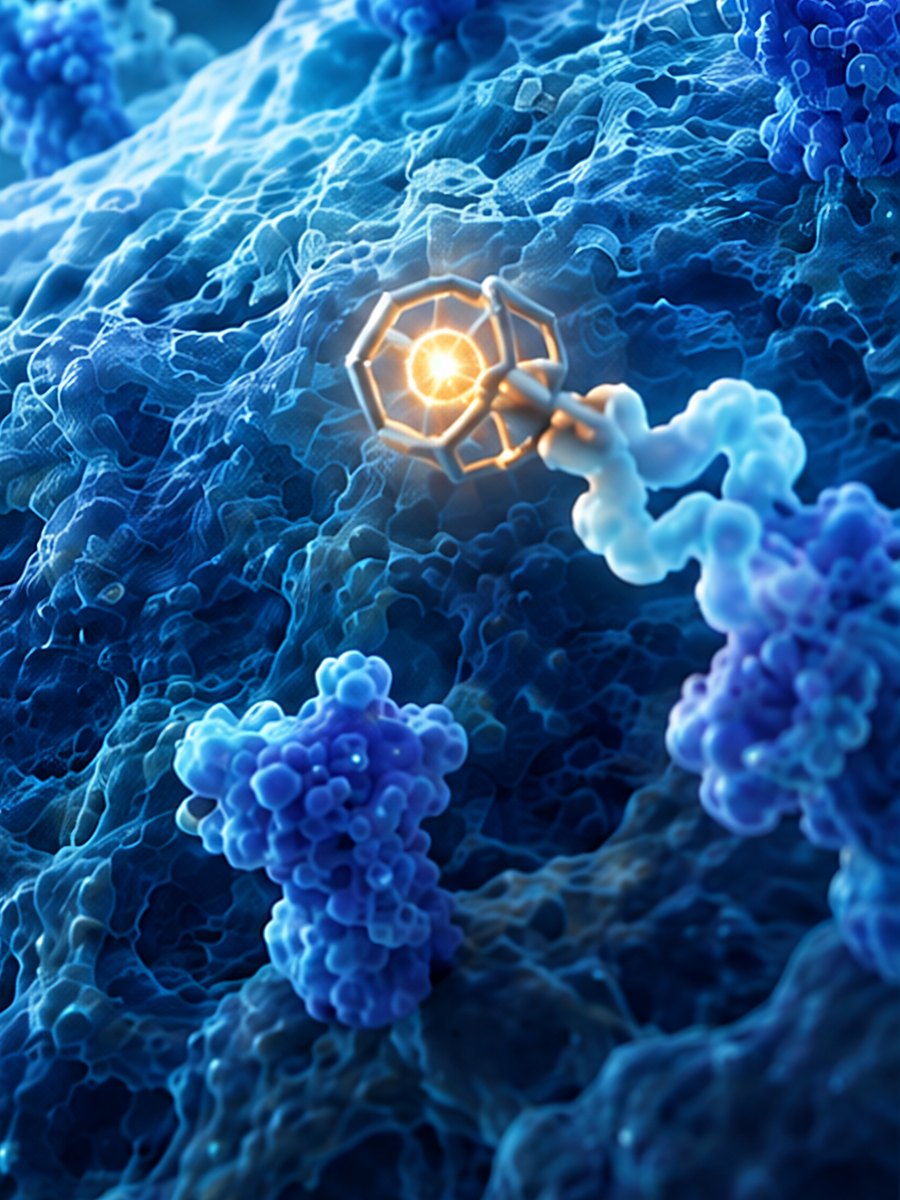
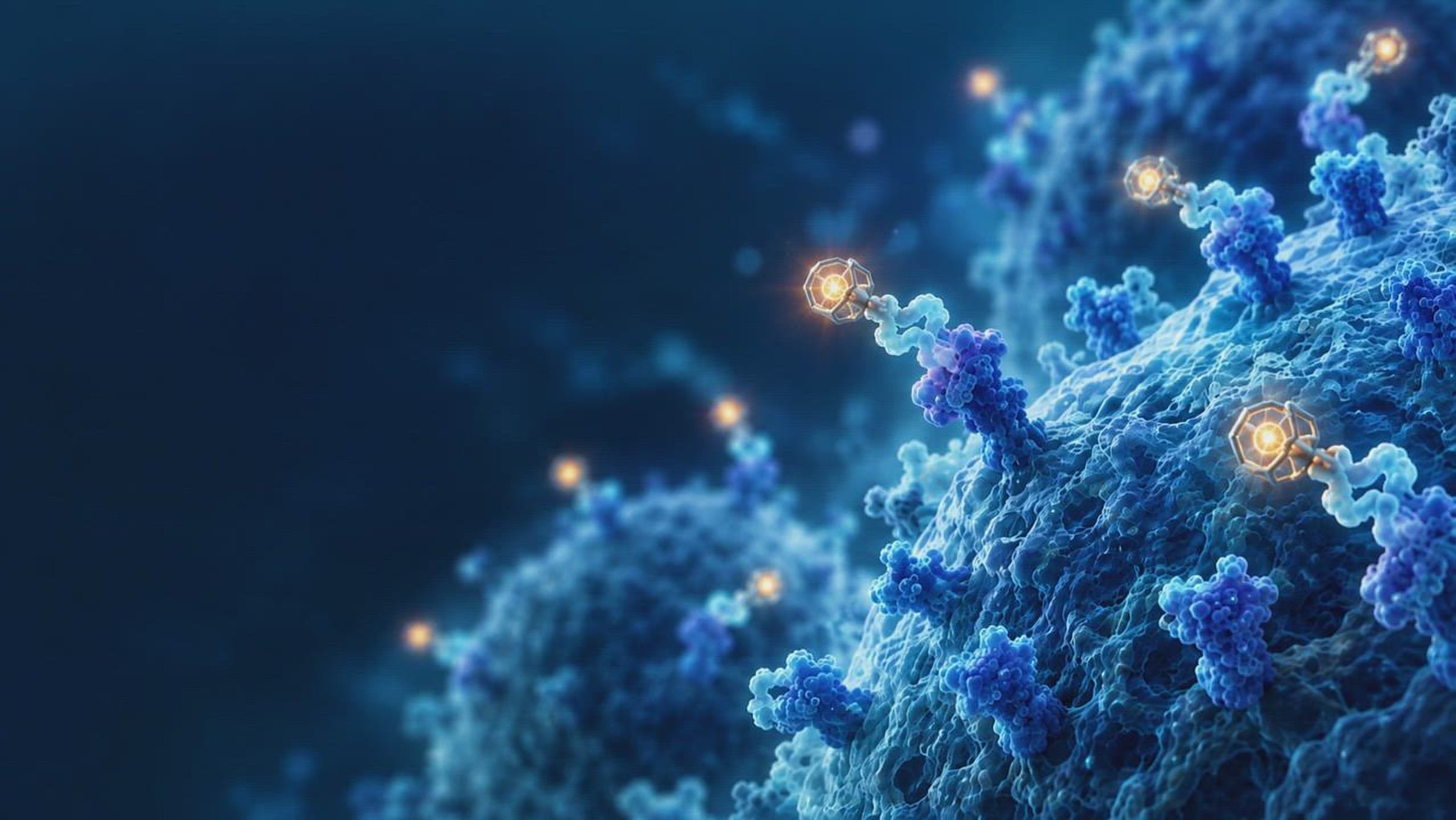
Curasight’s science focuses on the cancer target uPAR, a cell-surface receptor associated with the processes that enable tumors to invade surrounding tissue, form new blood vessels and metastasize.
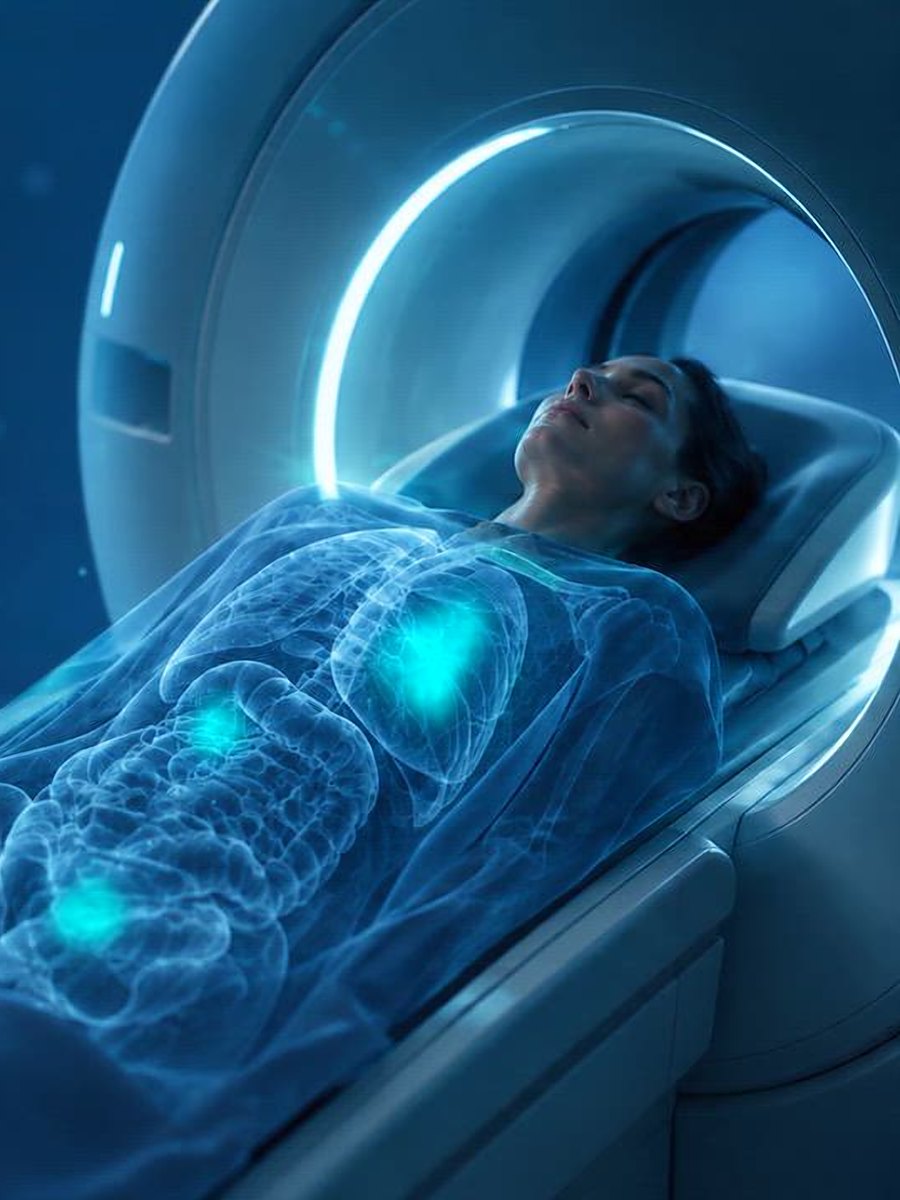
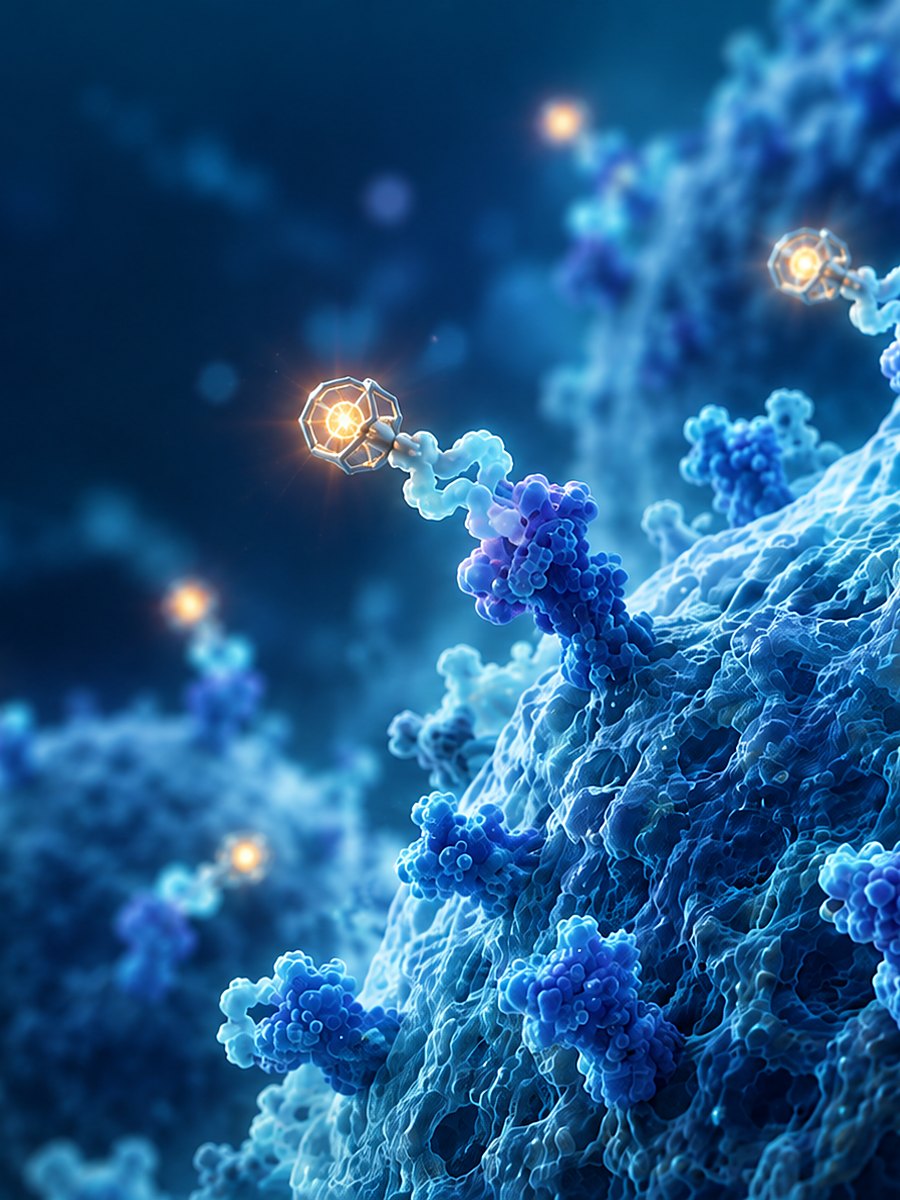
Our radiopharmaceutical strategy uses small peptide ligands designed to bind uPAR. By attaching imaging or therapeutic radionuclides to these ligands, Curasight can use the same biological target for PET imaging, patient characterization, and radioligand therapy.
uPAR
uPAR, the urokinase-type plasminogen activator receptor, is part of a biological system involved in extracellular matrix degradation, cell migration and tumor invasion.
In malignant tissue, uPAR is frequently upregulated, particularly at the invasive tumor-stroma interface. Published studies across several cancer types associate higher uPAR expression with more aggressive disease and poorer prognosis. In normal homeostatic tissues, expression is generally more limited, creating the biological rationale for targeted imaging and therapy.
This makes uPAR different from many established radioligand therapy targets. Rather than being defined primarily by a target expressed by specific cancer types, uPAR is associated with an aggressive phenotype that can occur across multiple solid tumors (pan solid tumor target).
Why this matters
Accessible target
uPAR is expressed on the cell surface and can be targeted by peptide ligands.
Human evidence
uPAR has been imaged clinically with uTRACE® across eight cancers in >500 patients.
Cross-tumor biology
uPAR is a relevant target across multiple solid tumor types.
Theranostic potential
The same biological target can support imaging and therapy.